Hiring a wedding videographer for the first time — or for the first time with a team you actually feel good about — comes with a lot of questions. What happens between the moment you reach out and the moment you receive your film? How involved do you need to be? What does a shoot day actually look like when someone is following you around with a camera?
These are fair questions, and the honest answer is that the experience varies a lot depending on who you hire. Here’s what working with a professional Maine wedding videographer looks like from start to finish — so you know what to expect, what to ask for, and what good looks like at every stage.
The Initial Inquiry: More Than Just Checking Availability
A first conversation with a wedding videographer shouldn’t feel like a transaction. It should feel like the beginning of a relationship — because in a real sense, that’s what it is. You’re considering inviting someone into one of the most personal days of your life, and they should be genuinely interested in understanding what that day means to you.
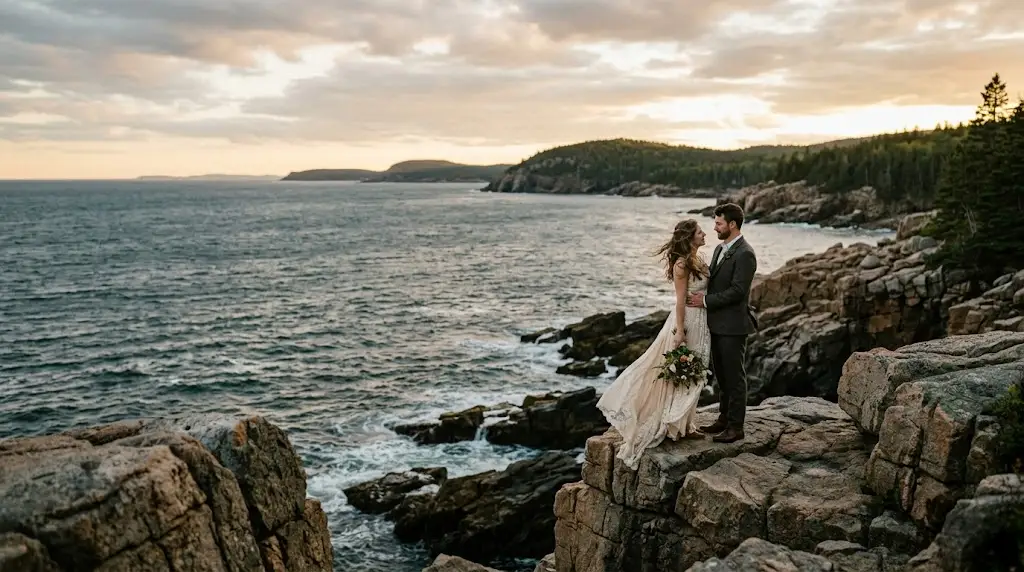
Expect to be asked about your venue, your vision, and the overall tone of your wedding. Are you having a candlelit ceremony in a historic Maine inn, or an outdoor celebration on the coast with bare feet in the grass? A traditional church ceremony followed by a barn reception, or an intimate elopement in Acadia? These details shape everything — from how many cameras will be on site to how the final film gets edited.
If a videographer responds to your inquiry with nothing more than a price list, that’s worth noting. The ones who ask thoughtful questions early are the ones who will bring that same attention to your wedding day.
Booking and the Lead-Up to Your Wedding
Once you’ve decided to move forward, the booking process typically involves a contract and a deposit to hold your date. Maine wedding season fills quickly — particularly June through October — so booking early matters. Most couples secure their videographer at least a year in advance for peak season dates.
In the months between booking and your wedding day, a good videographer stays in communication without overwhelming you. You might receive a detailed questionnaire about your timeline, your must-capture moments, the names of key family members, and any special details — a meaningful song, an heirloom being worn, a first look you’ve planned with your photographer. This information shapes how the team prepares for the day.
You may also have a pre-wedding call or meeting to walk through the day together. This is a chance to align on expectations, ask any lingering questions, and make sure the team fully understands what the day means to you. Don’t skip this if it’s offered.
The Wedding Day: What It Actually Feels Like
On your wedding day, a great videographer is essentially invisible. You should be fully present in your own celebration — not performing for a camera or managing someone else’s logistics. The goal is to capture the day as it actually unfolds, not to direct it.
That said, there’s usually a rhythm to how the day gets covered:
Getting ready. Coverage often begins here — the details of the dress, the quiet moments with your closest people, the mix of nerves and laughter that tends to fill the morning. These scenes are cinematic in a way that often surprises couples when they watch them back.
The ceremony. This is typically covered with multiple cameras to capture both the wide view of the setting and the close, personal moments — your expressions, your partner’s, your guests’ reactions. Audio is recorded carefully here, because your vows and the officiant’s words are the emotional core of the film.
Portraits and couple time. A brief window after the ceremony where the videographer captures you together — usually coordinated with your photographer. This doesn’t need to be long; it just needs to be intentional.
The reception. Toasts, first dance, the energy of the room, the moments between moments. A skilled videographer knows how to move through a reception without disrupting it — anticipating where the next meaningful thing is going to happen rather than reacting after it’s already passed.
You may barely notice the team is there. That’s the point.
After the Wedding: What Happens in Post-Production
This is the part most couples don’t think about much — and it’s where a significant portion of the work actually happens.
After your wedding, your footage goes into an editing process that typically takes several weeks. The videographer reviews hours of material, identifies the moments that carry the most weight, and begins building the structure of your film. Music is selected carefully — or confirmed with you, if you’ve had a conversation about it beforehand. Color is graded to give the film a consistent, cinematic look. Audio from the ceremony is cleaned and balanced.
A standard wedding film is usually delivered as a highlight film — typically five to ten minutes — that tells the emotional story of the day in a compressed, intentional format. Some packages also include a longer edit, a short social cut, ceremony and speech recordings, or raw footage. Know what’s included in your package before you sign, and don’t hesitate to ask what the editing timeline typically looks like.
Most professional videographers deliver final films within six to twelve weeks of the wedding, though this varies. When you receive it, watch it somewhere quiet, with good audio. The first viewing tends to be an experience.
What Makes a Maine Wedding Film Feel Like Maine
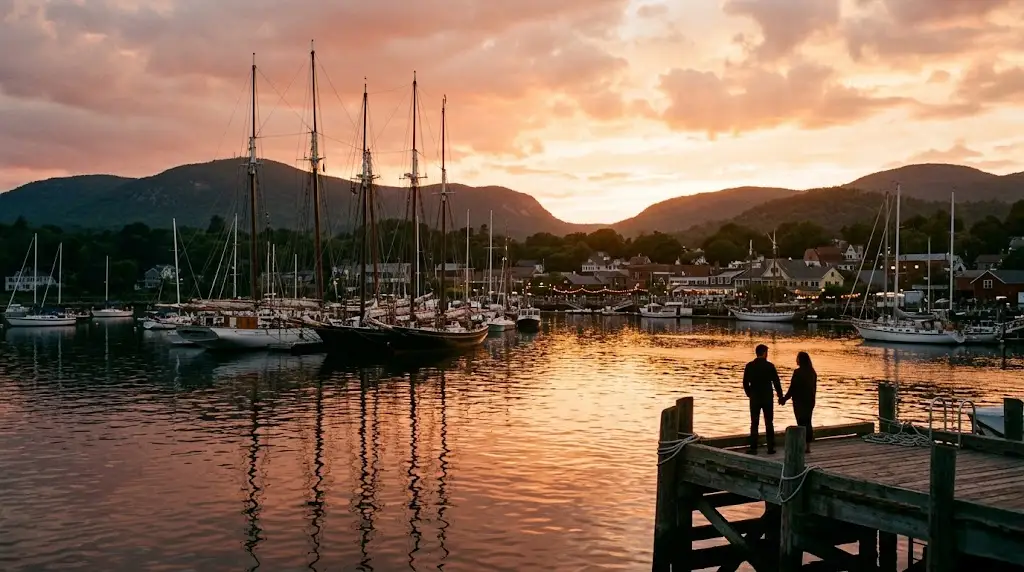
Maine weddings have a quality that’s hard to name but easy to feel. Whether it’s a waterfront ceremony in Kennebunkport, a barn celebration in the Western foothills, or an intimate gathering at a Midcoast inn, there’s a character to Maine that shows up in the light, the landscape, and the pace of the day — and it translates beautifully on film.
A videographer who has worked extensively across Maine brings a fluency to that context. They know the venues, they understand the light in different seasons, and they’ve seen enough Maine weddings to anticipate the moments that tend to matter most — the look across the room during a toast, the first quiet exhale after the ceremony ends, the way a Maine sunset turns a simple outdoor reception into something golden.
That local knowledge isn’t a minor detail. It’s part of what makes the final film feel true to the day you actually had.
What to Ask Before You Book
If you’re still in the process of choosing your videographer, a few questions worth asking:
Can I see a full wedding film, not just a highlight reel? Short cuts can be heavily edited to look polished. A full film shows you how they handle an entire day.
Who will actually be filming my wedding? Some studios book you, then send a different team. Know who’s coming.
How do you handle audio for the ceremony? Vows recorded only on camera microphones tend to sound thin and distant. Ask whether they work with a lapel mic on the officiant or partner.
What’s your approach if the timeline runs behind? It always runs behind. How a videographer handles the unexpected tells you a lot about how they operate under pressure.
What does delivery look like? Format, timeline, revision process — get the specifics before you sign.
The Film You’ll Come Back To
Most couples who invest in professional wedding videography say the same thing afterward: they watched it far more than they expected to. Not just in the weeks after the wedding, but years later. On anniversaries, with their kids someday, when they want to remember what it actually felt like to be in that room.
That’s what a great wedding film does. It doesn’t just document what happened — it preserves how it felt. And that’s something worth getting right.
At Willow Grove Films, we approach every wedding with that in mind — quiet, present, and focused on the moments that matter most to you. If you’re planning a wedding in Maine or New England and want to talk through what coverage would look like, we’d love to hear from you.